What a Proforma Invoice Is, and When to Send One Instead of an Invoice
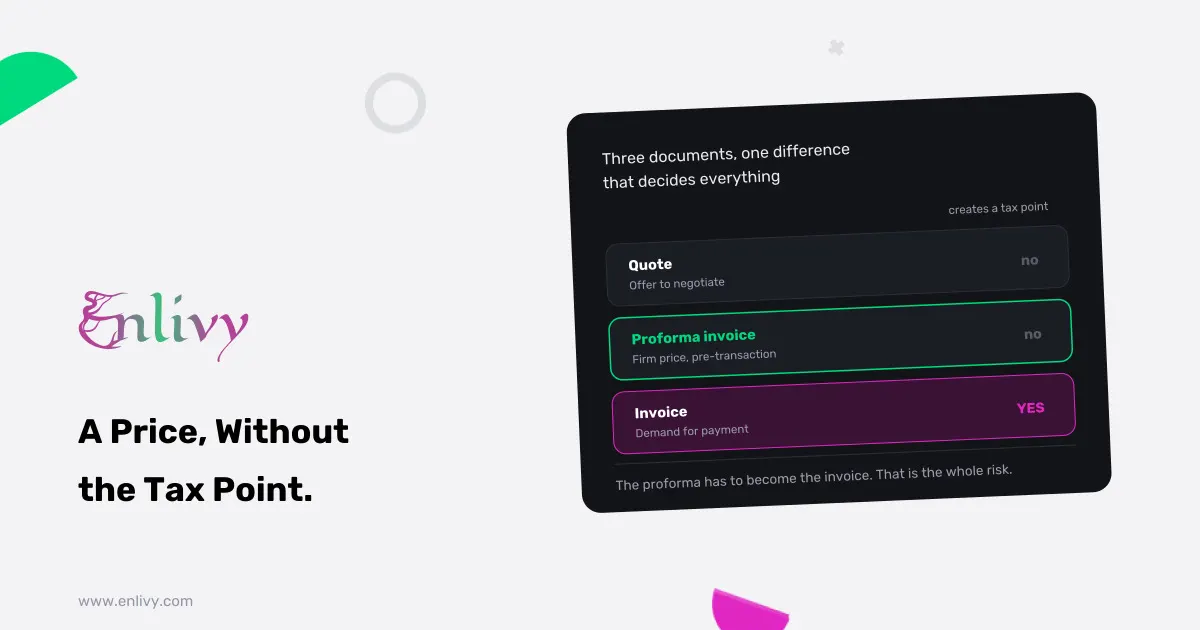
A proforma invoice commits to a price without creating a tax liability. When to send one, what it must say, and the moment it has to become a real invoice.
Tag
10 articles
A proforma invoice commits to a price without creating a tax liability. When to send one, what it must say, and the moment it has to become a real invoice.
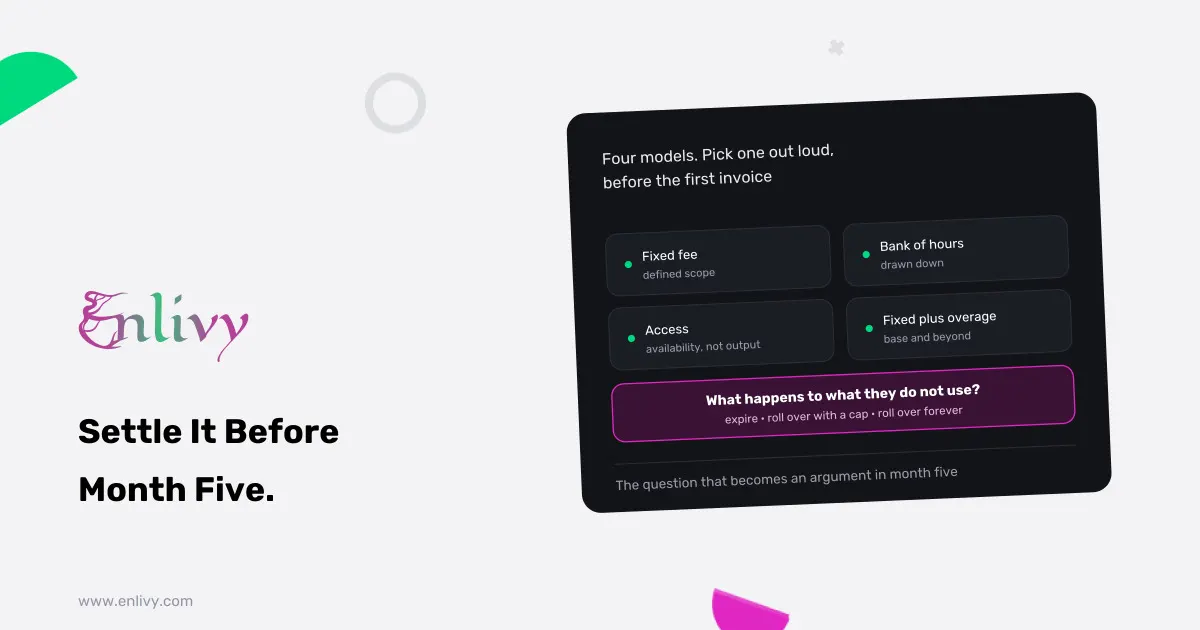
A retainer agreement answers three questions before they get expensive. The four models, the clauses that prevent arguments, and what unused capacity does.
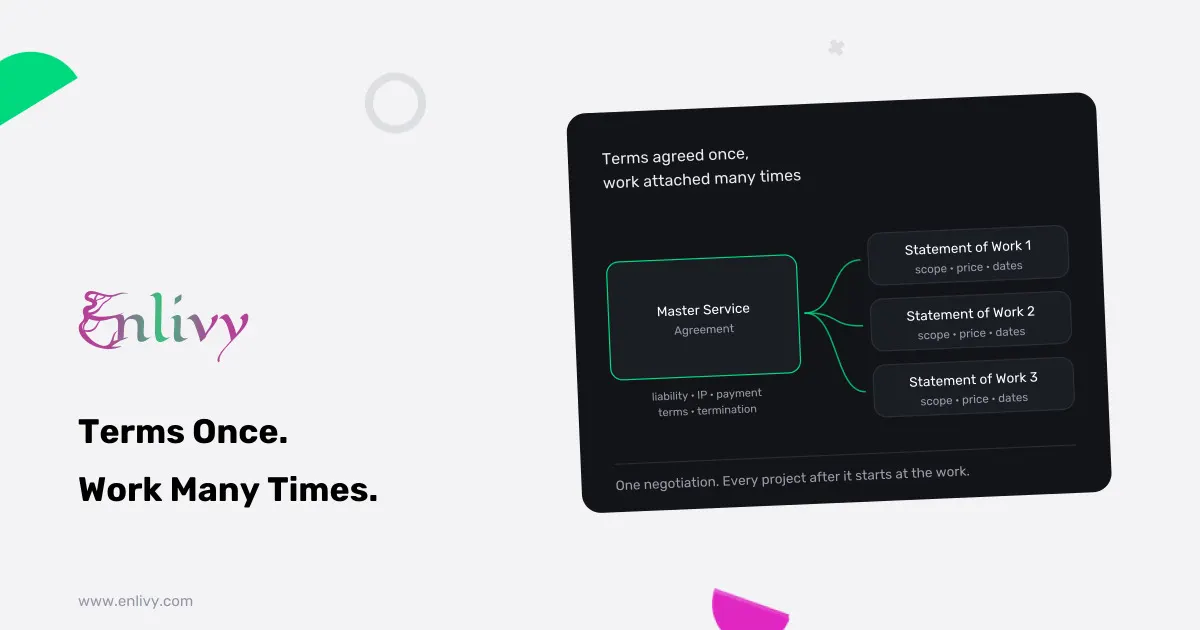
A master service agreement settles the terms once, so each new project starts at the work. What belongs in it, what belongs in the SOW, and when to skip it.
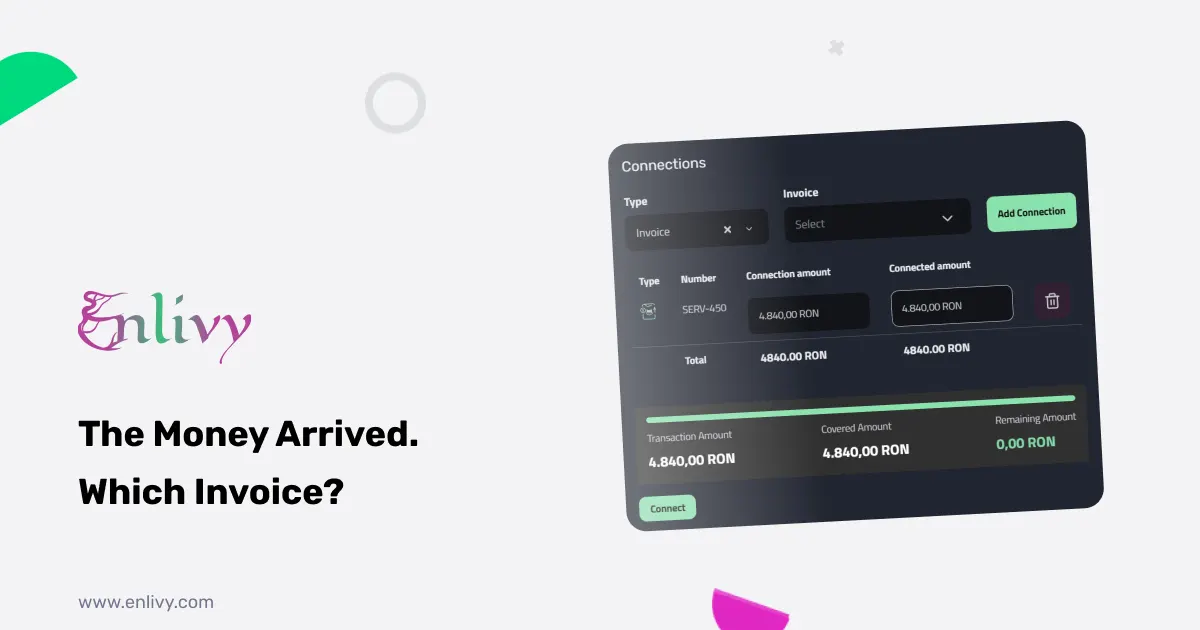
Partial payments, bundled transfers and FX turn reconciliation into detective work. Here is why matching breaks and what it takes to close the last handoff.
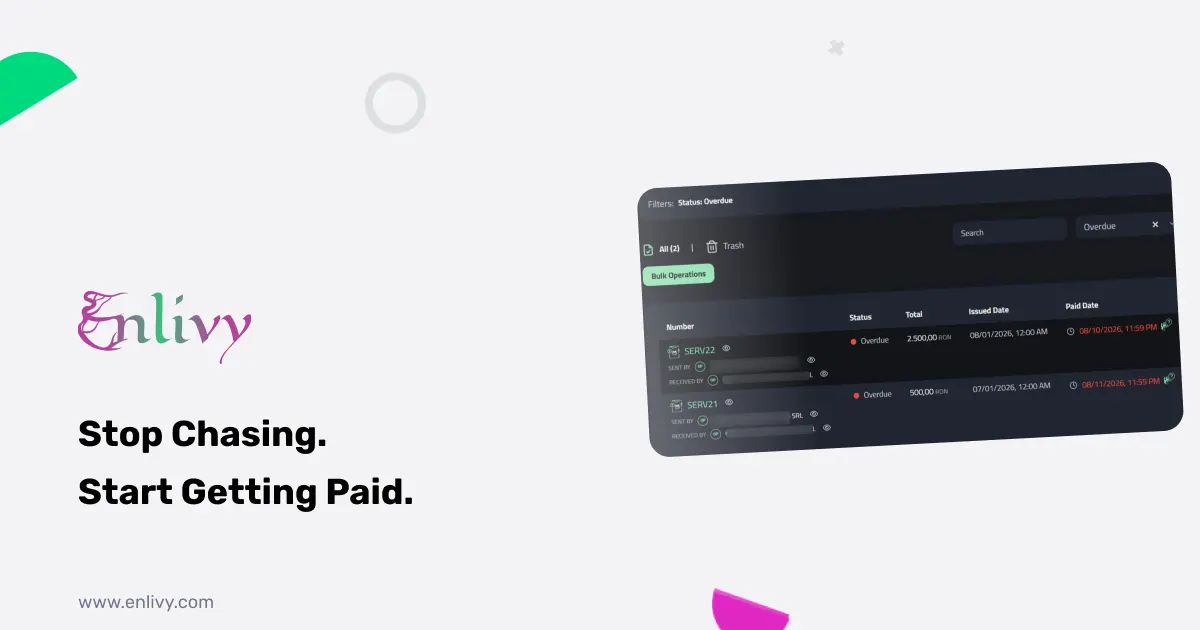
Most late payments are not refusals, they are process failures on the client side. Here is a sequence that gets you paid without spending the relationship.
Agency billing breaks differently: mixed retainers and projects, pass-through costs, and scope captured too late. Here is how to bill without losing margin.
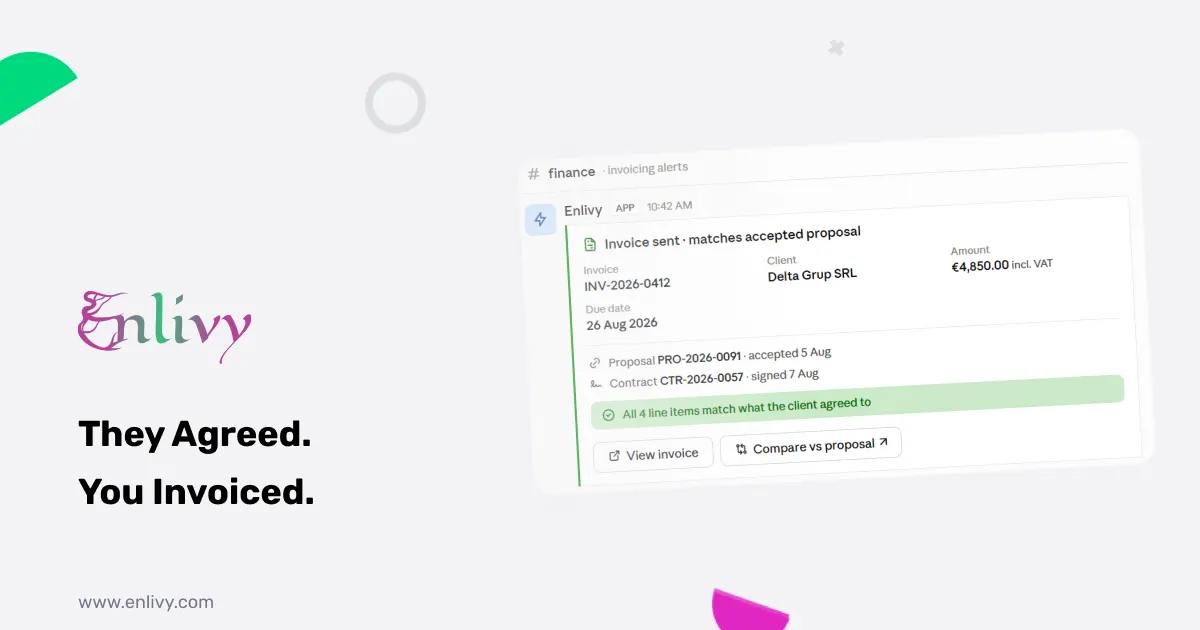
The handoff from an accepted proposal to an invoice is where scope quietly changes. Here is why it drifts, what it costs, and how to make the two agree.
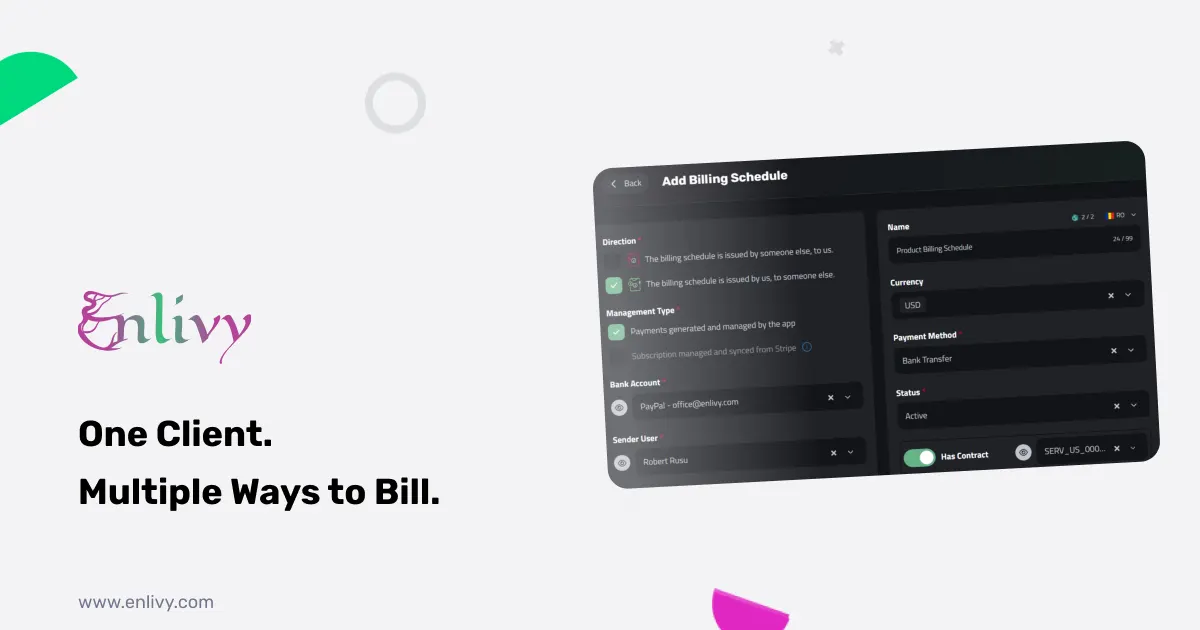
Managed billing schedules or self-serve subscriptions? The two models solve different problems, and picking the wrong one costs you either revenue or hours.
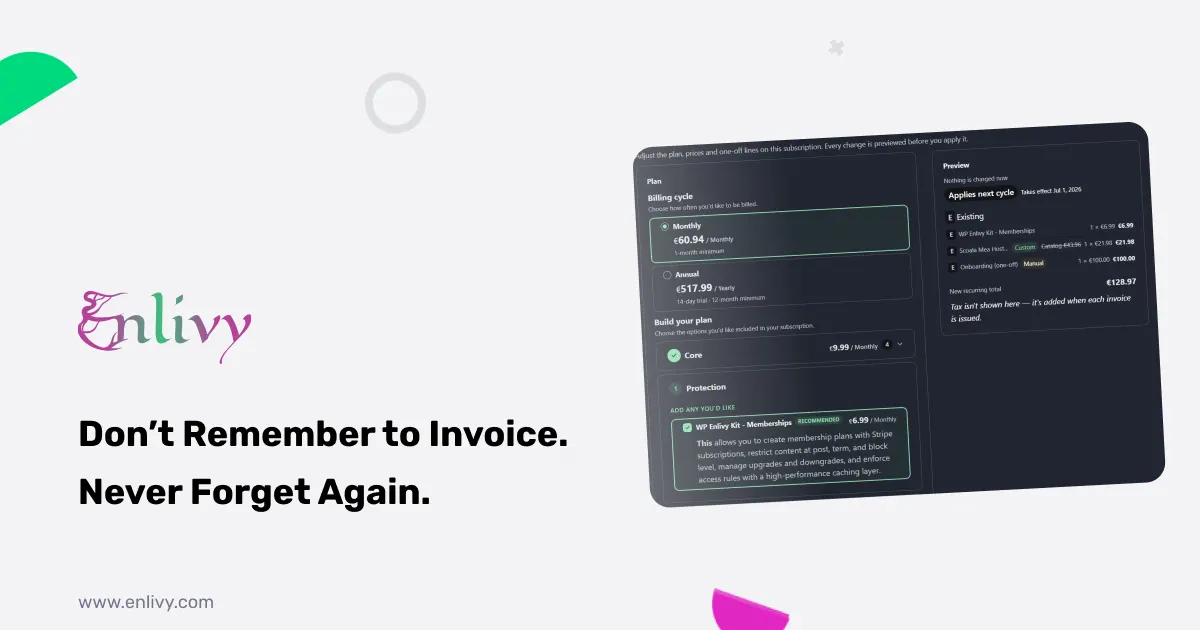
Retainers are the easiest revenue to lose track of. Here is how to set one up so it bills itself, stays auditable, and survives the month you forget about it.
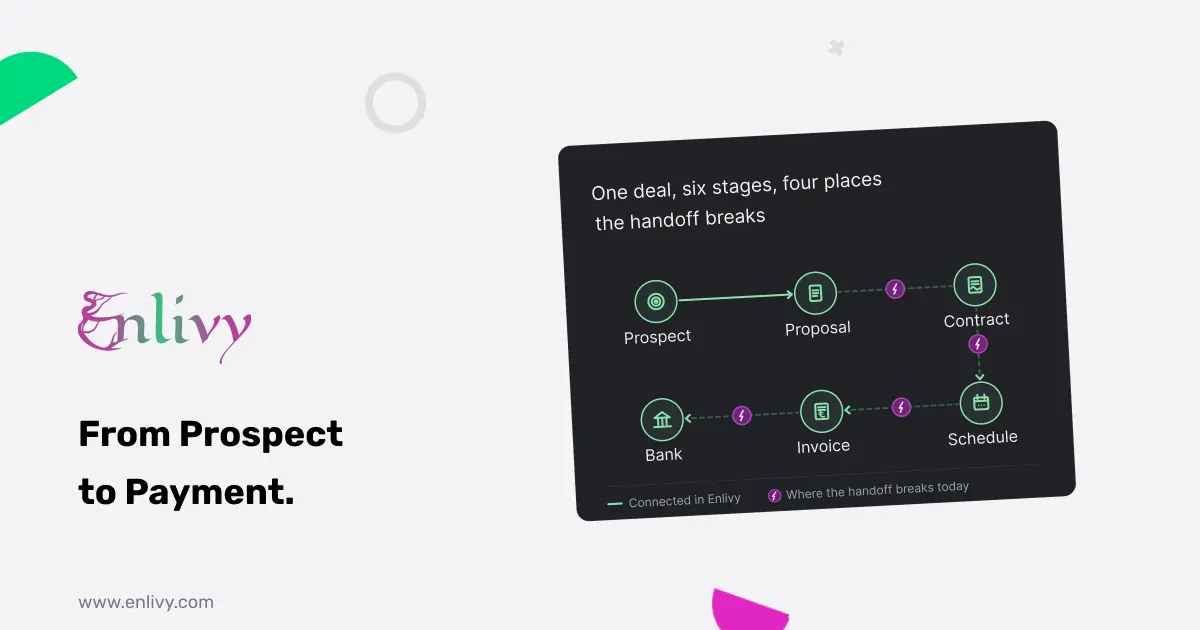
The contract-to-cash workflow is a chain of handoffs, and most service businesses lose money at four of them. Here is where it breaks and how to close each gap.