

Management · 6 min read
Debit Note: How to Increase an Invoice You Have Already Issued
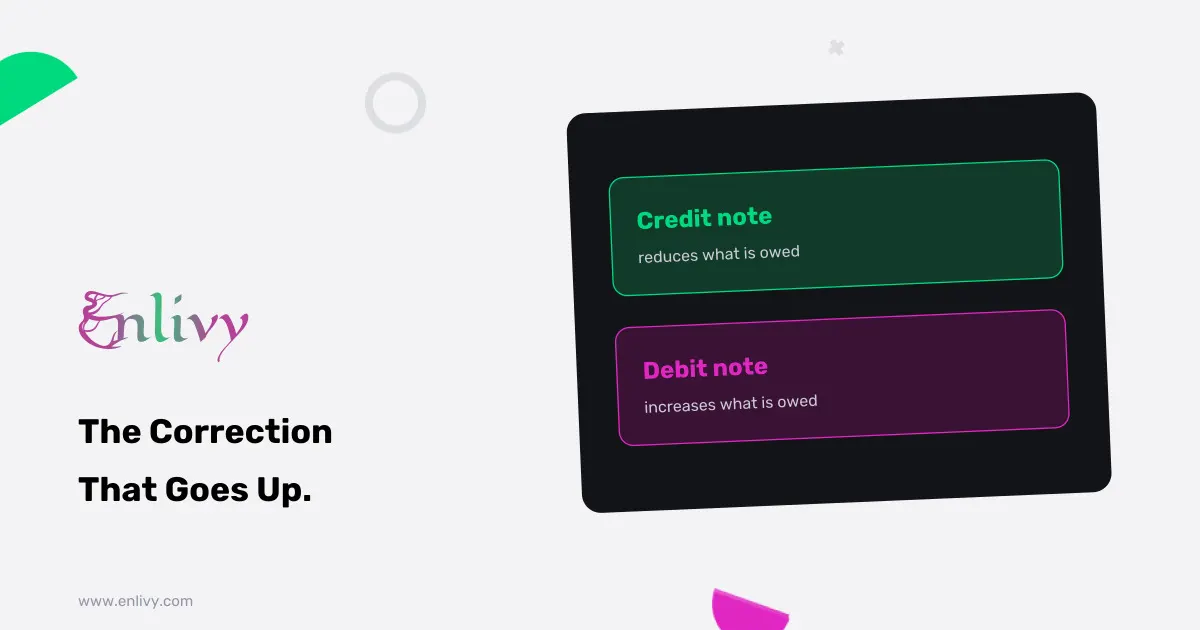
A debit note raises the amount owed on an invoice you cannot change. When to issue one, how it differs from a credit note, and what it must reference.
Category
A debit note raises the amount owed on an invoice you cannot change. When to issue one, how it differs from a credit note, and what it must reference.
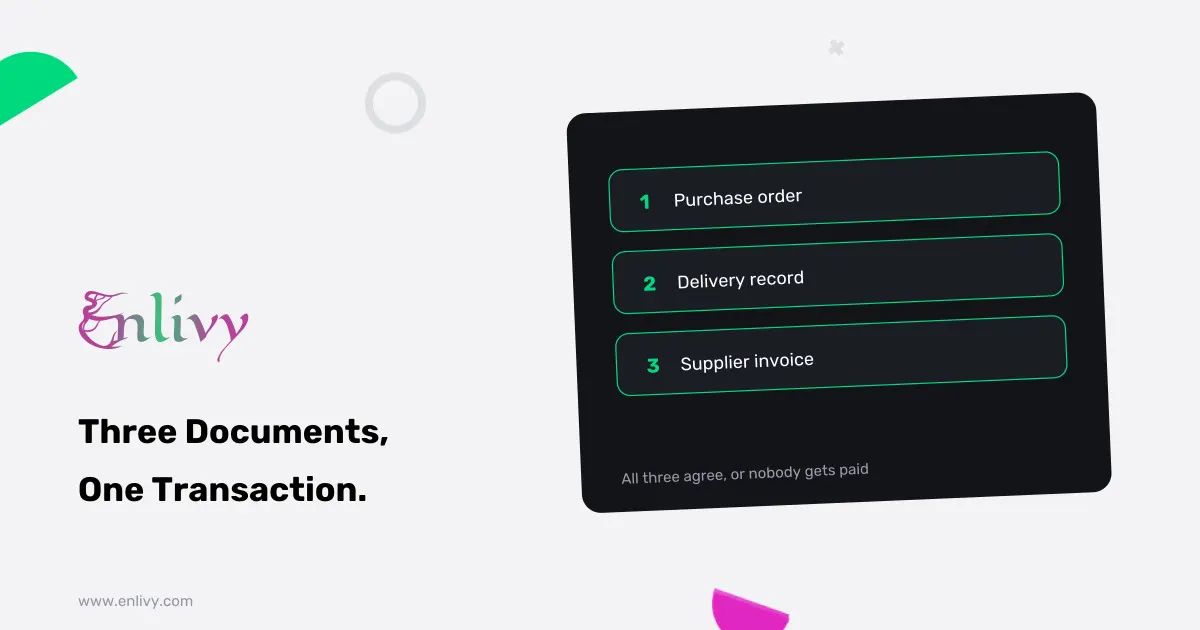
Three-way matching compares the purchase order, the delivery record and the supplier invoice before payment. What it catches, and the version a small firm runs.
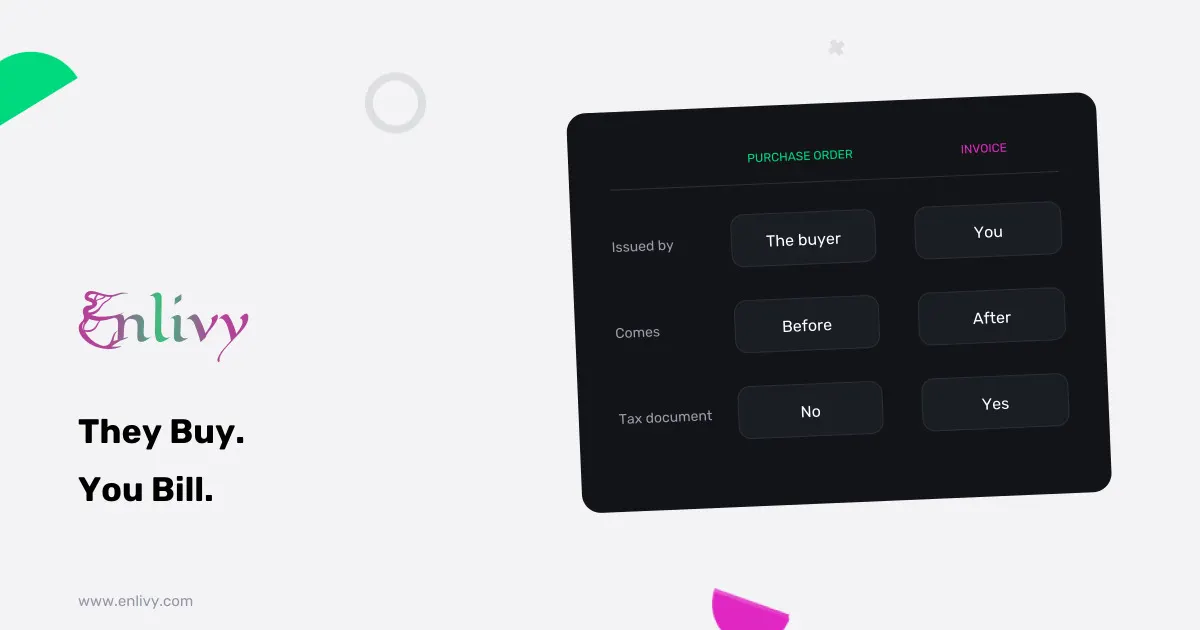
A purchase order authorises a purchase, an invoice collects on it. Who issues each, what they share, and which one wins when the numbers do not match.
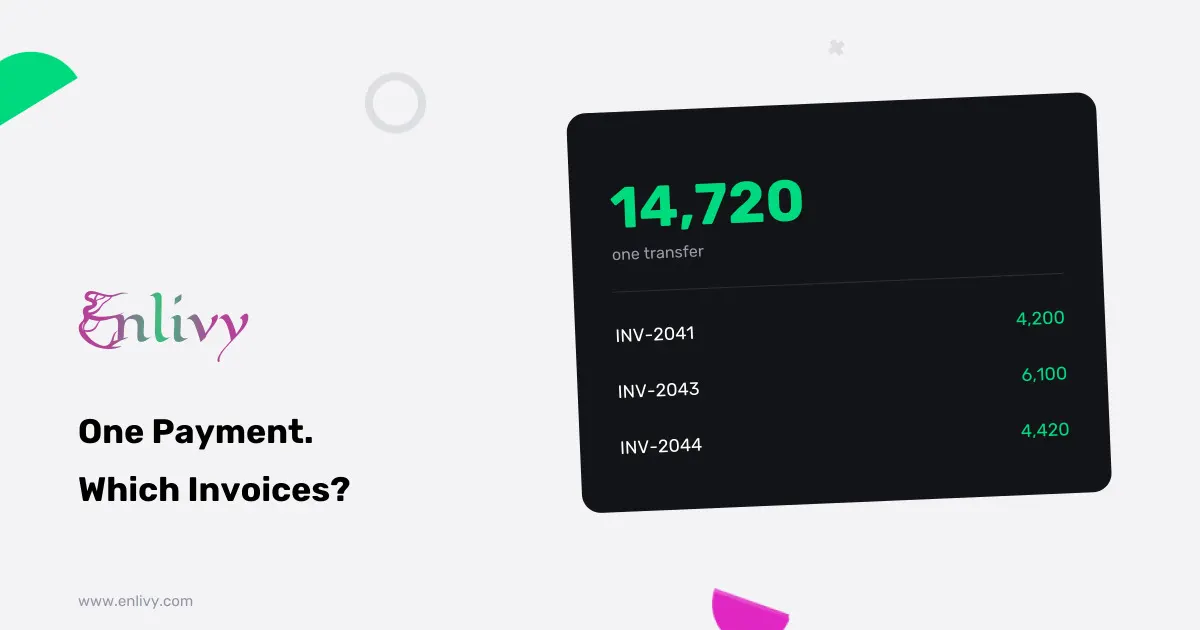
Remittance advice tells you which invoices a payment settles. What it contains, who sends it, and why its absence is why reconciliation takes so long.
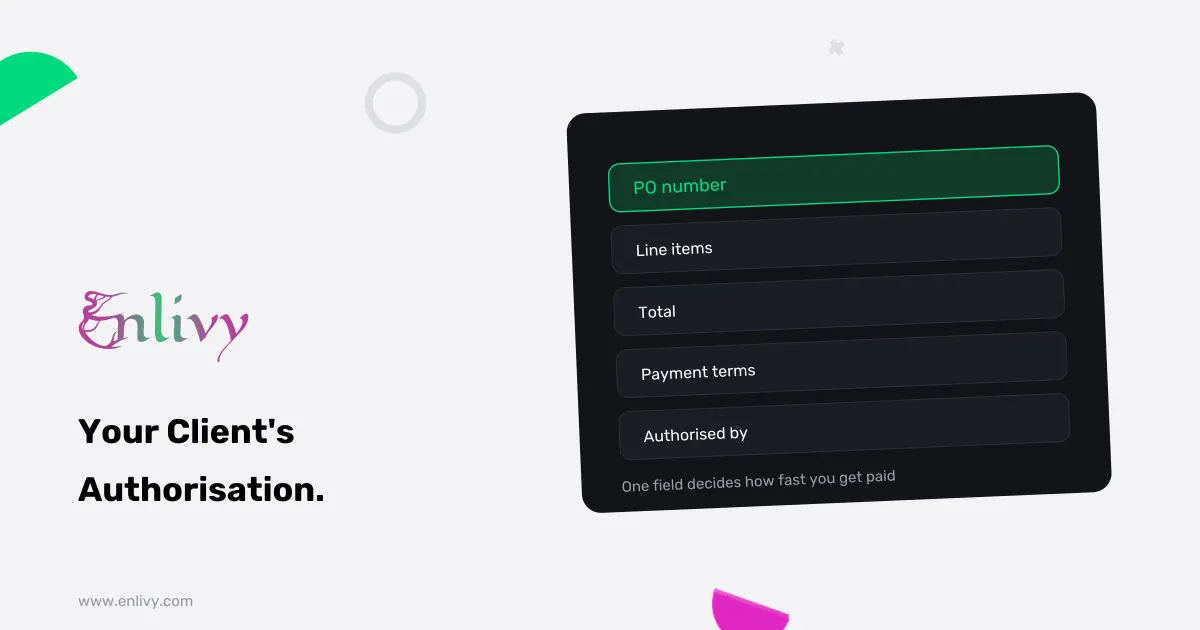
A purchase order is your client's authorisation to buy. What it contains, how it differs from your invoice, and why the PO number decides how fast you get paid.
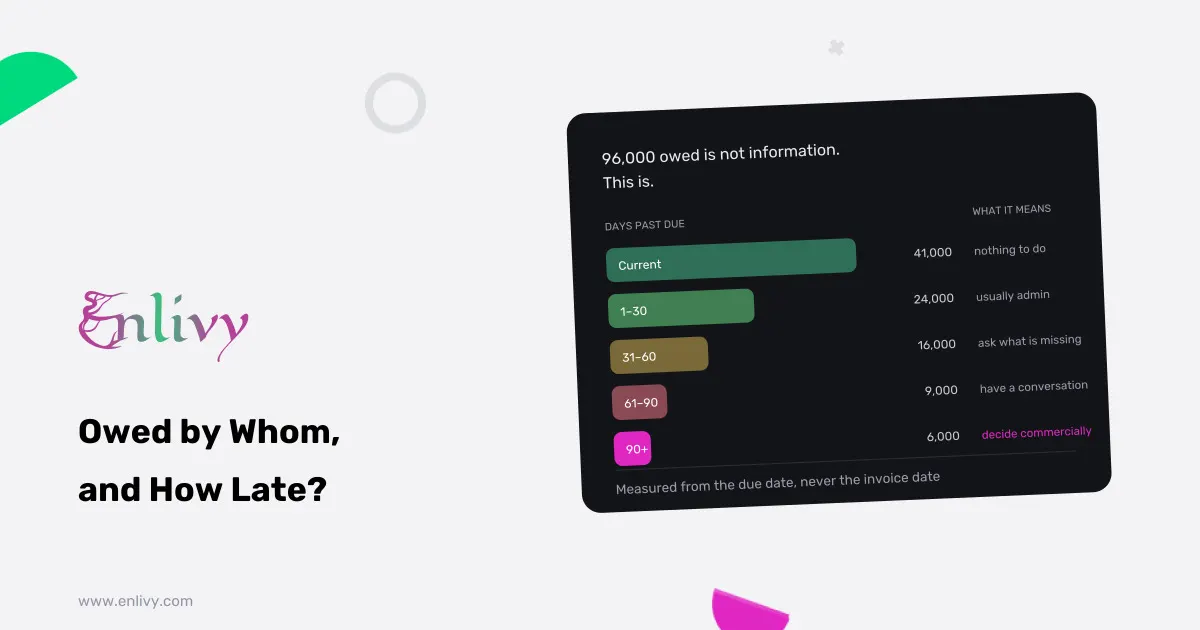
An aged receivables report sorts what you are owed by how late it is. The standard buckets, what each one means, and the four patterns worth acting on.
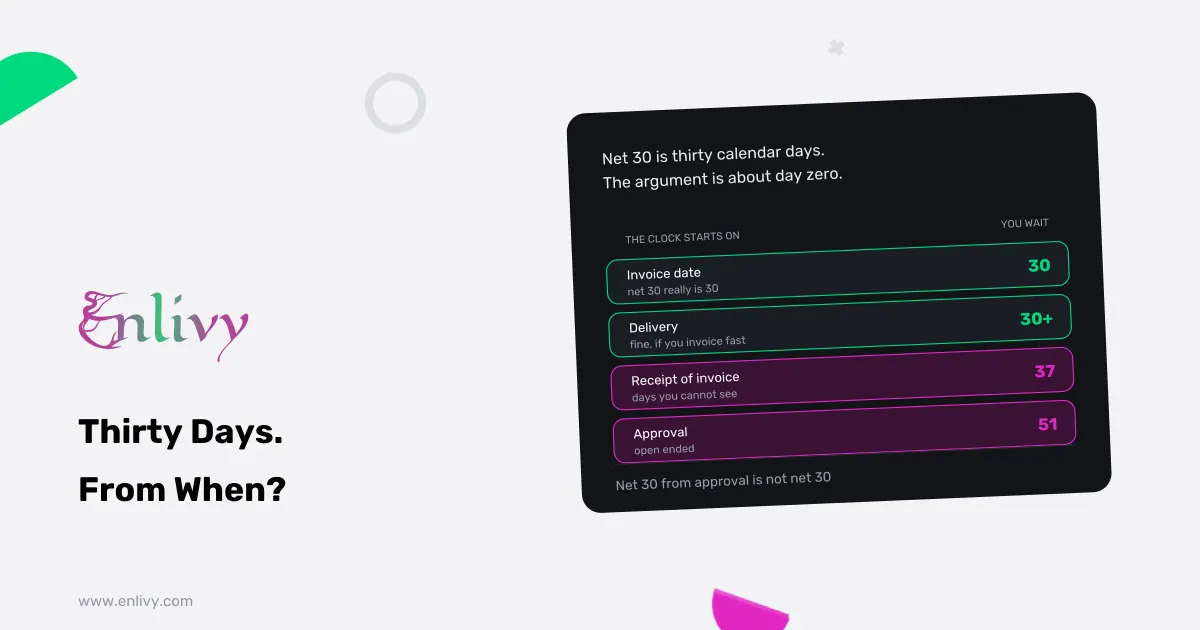
Net 30 payment terms mean payment 30 calendar days from the invoice date. What the clock starts on, what 2/10 net 30 costs, and when to use something else.
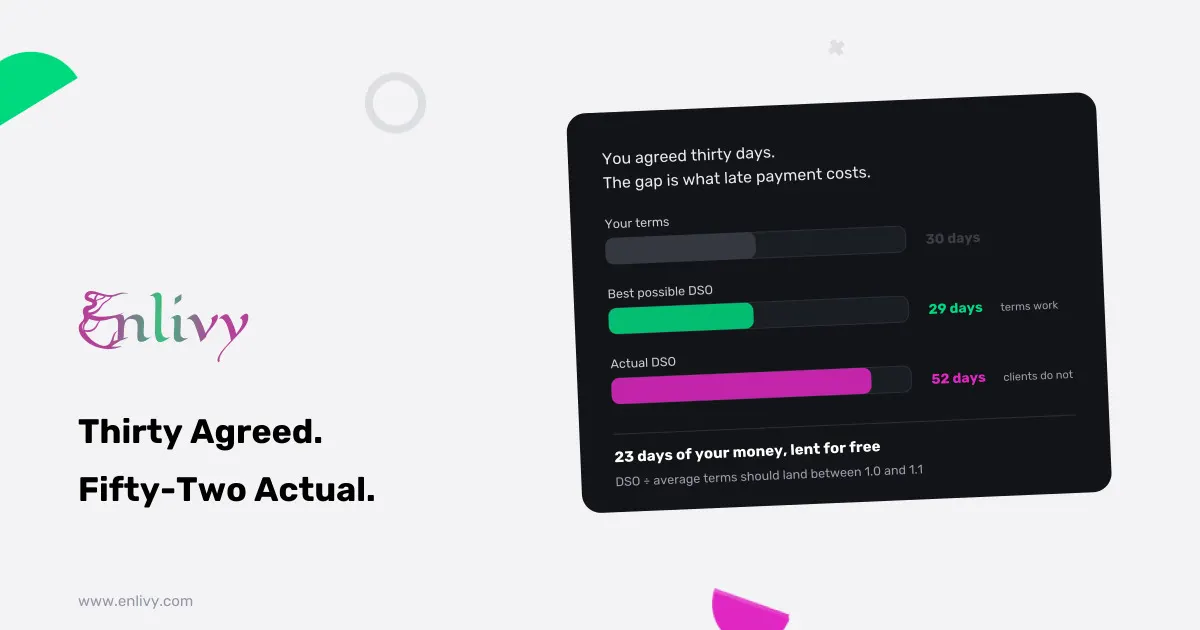
Days sales outstanding measures how long you wait to get paid. Both formulas, why the simple one misleads a growing business, and the benchmarks that matter.
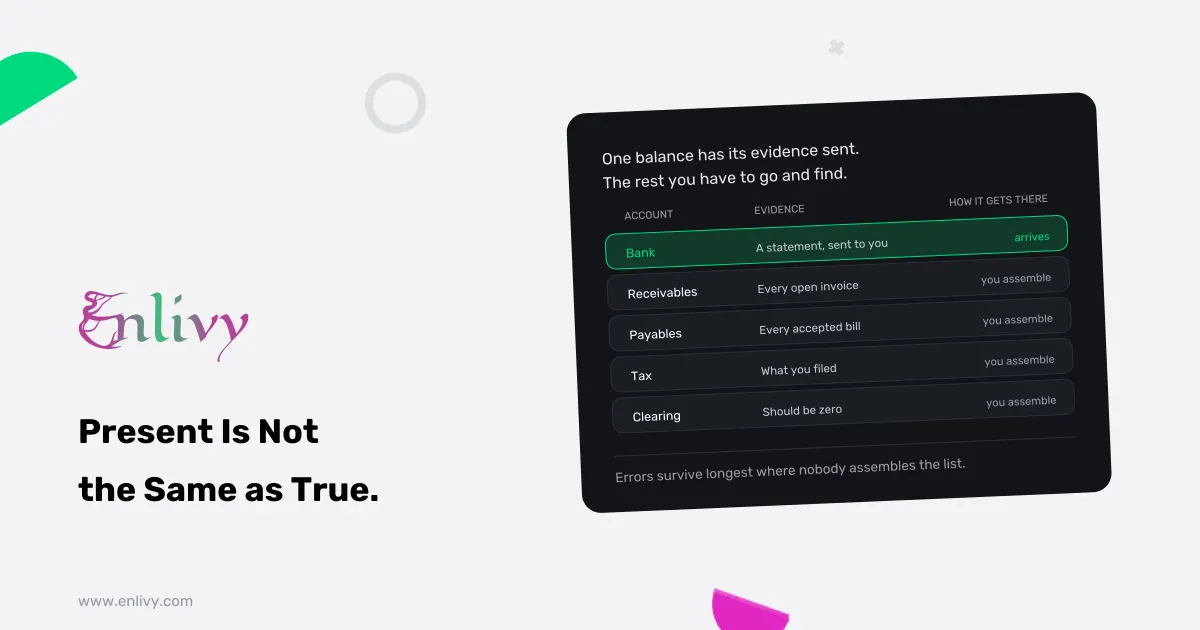
Account reconciliation proves every ledger balance is backed by evidence. Which accounts to reconcile, how often, and the four ways a balance goes wrong.
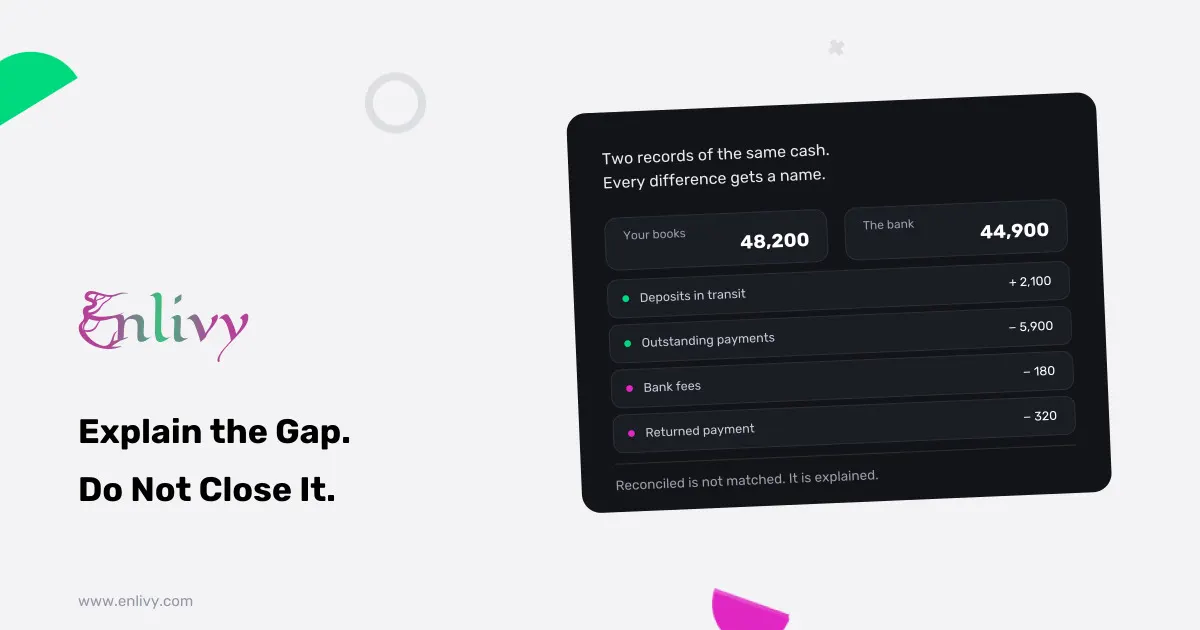
Bank reconciliation matches your books to the bank and explains every difference. The reconciling items, the process step by step, and what breaks it at scale.
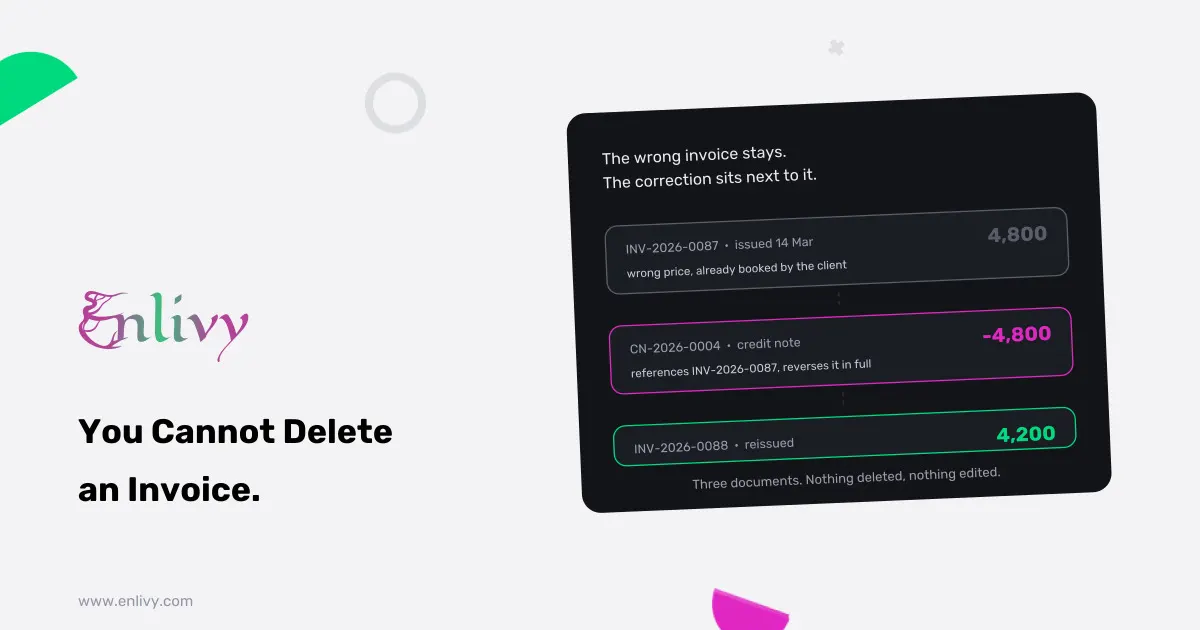
An issued invoice cannot be edited or removed. A credit note reverses it on the record instead. When to issue one, what it must reference, and full vs partial.
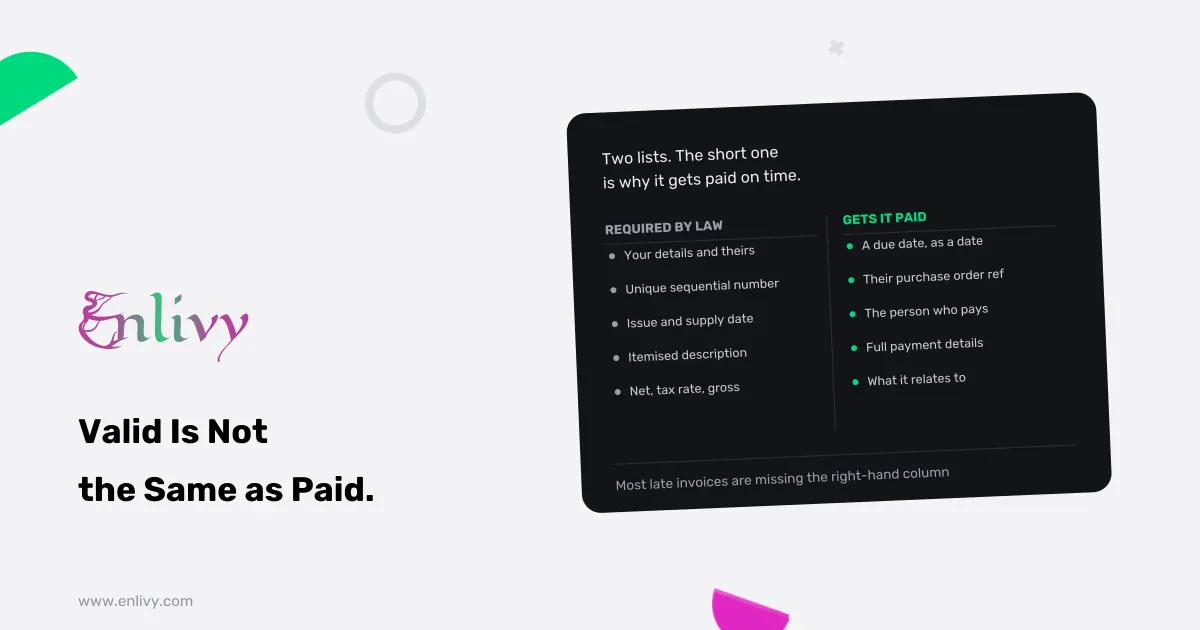
How to write an invoice that clears first time: most late ones are not disputes, they are missing a purchase order, a due date, or the right recipient.
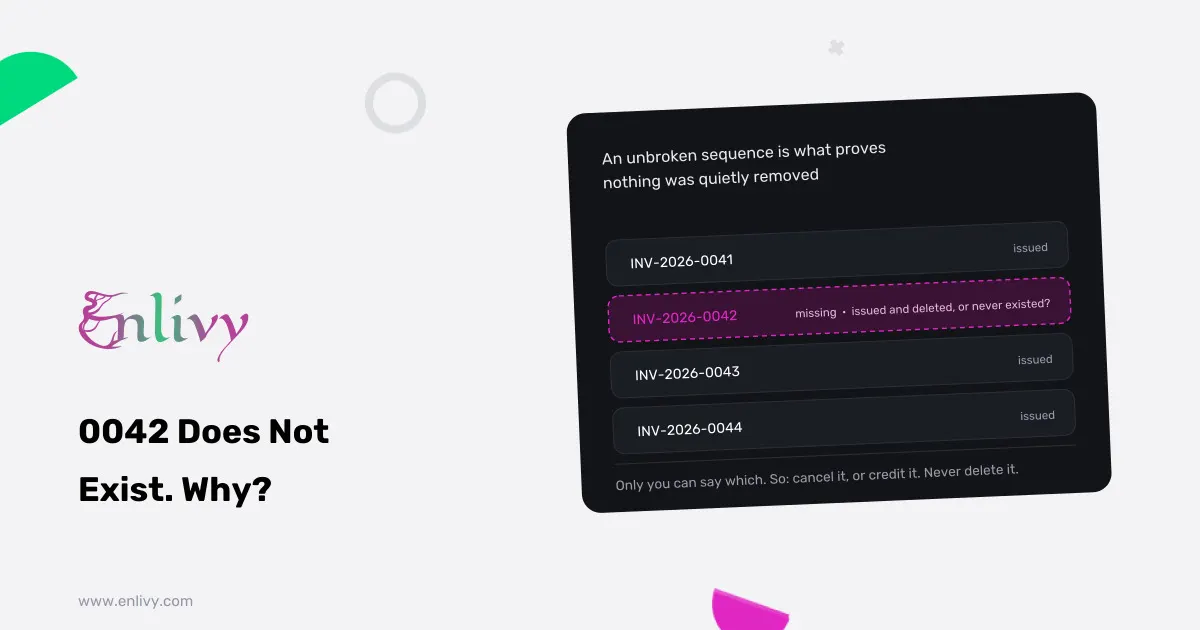
Invoice numbering has to be unique and unbroken. What a legal sequence looks like, which formats survive an audit, and how to fix a gap you already have.
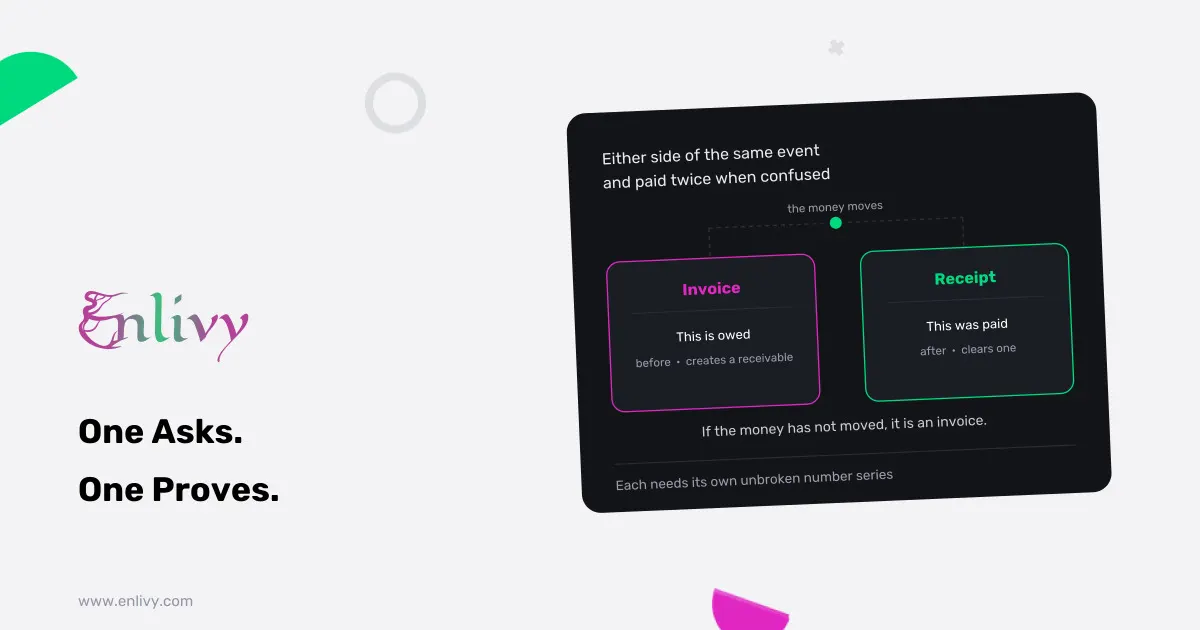
Invoice vs receipt: one asks for money, the other proves it arrived. Why sending the wrong one causes double payments, and what each document must contain.
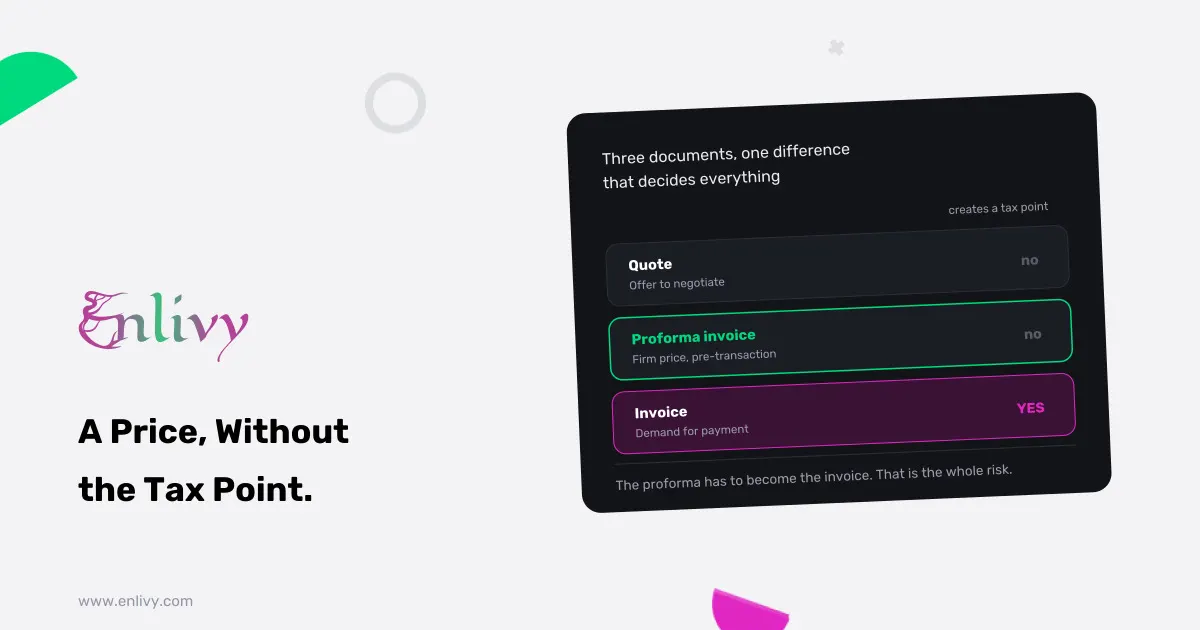
A proforma invoice commits to a price without creating a tax liability. When to send one, what it must say, and the moment it has to become a real invoice.
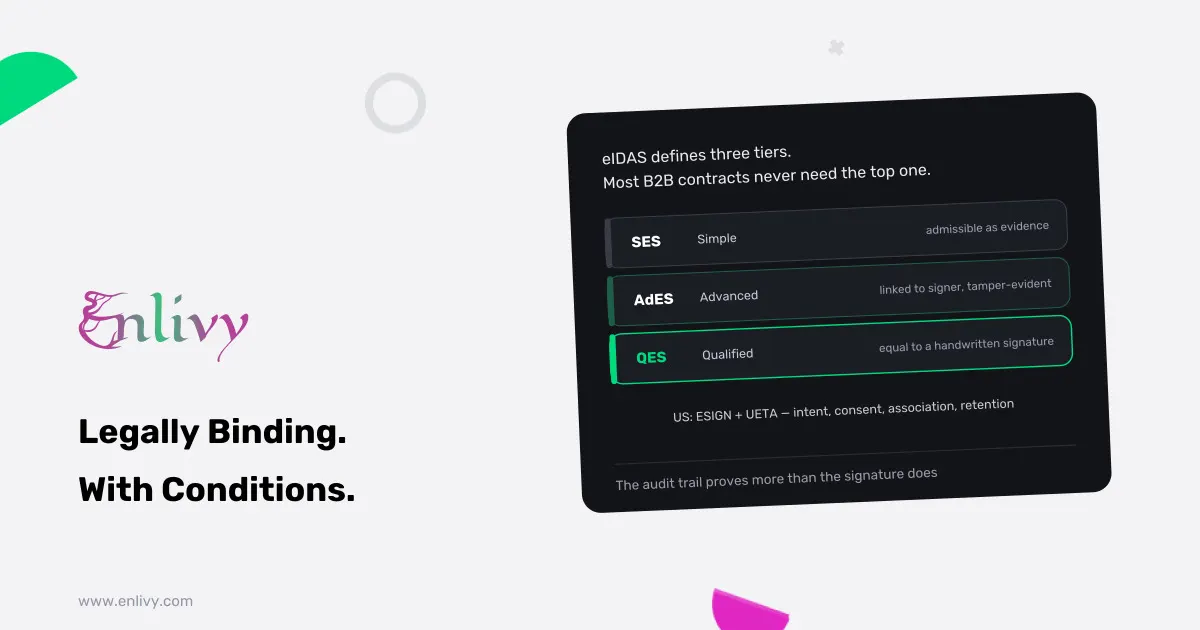
Are electronic signatures legally binding? Yes, in the US and EU, with conditions. What ESIGN and eIDAS require, the three EU tiers, and what stays excluded.
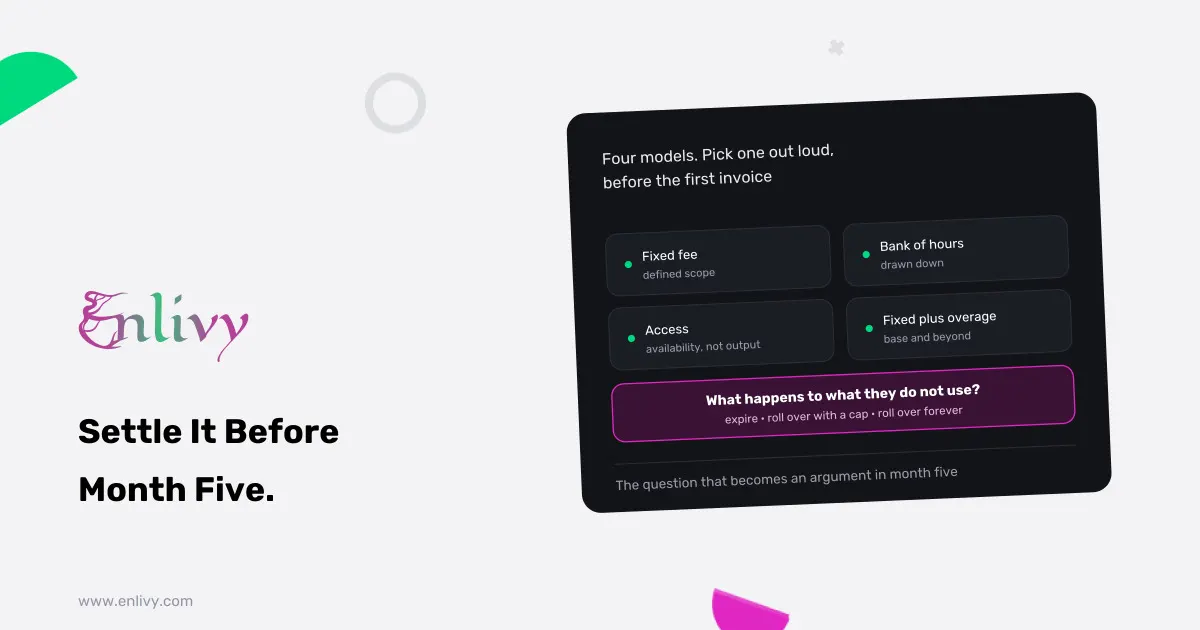
A retainer agreement answers three questions before they get expensive. The four models, the clauses that prevent arguments, and what unused capacity does.
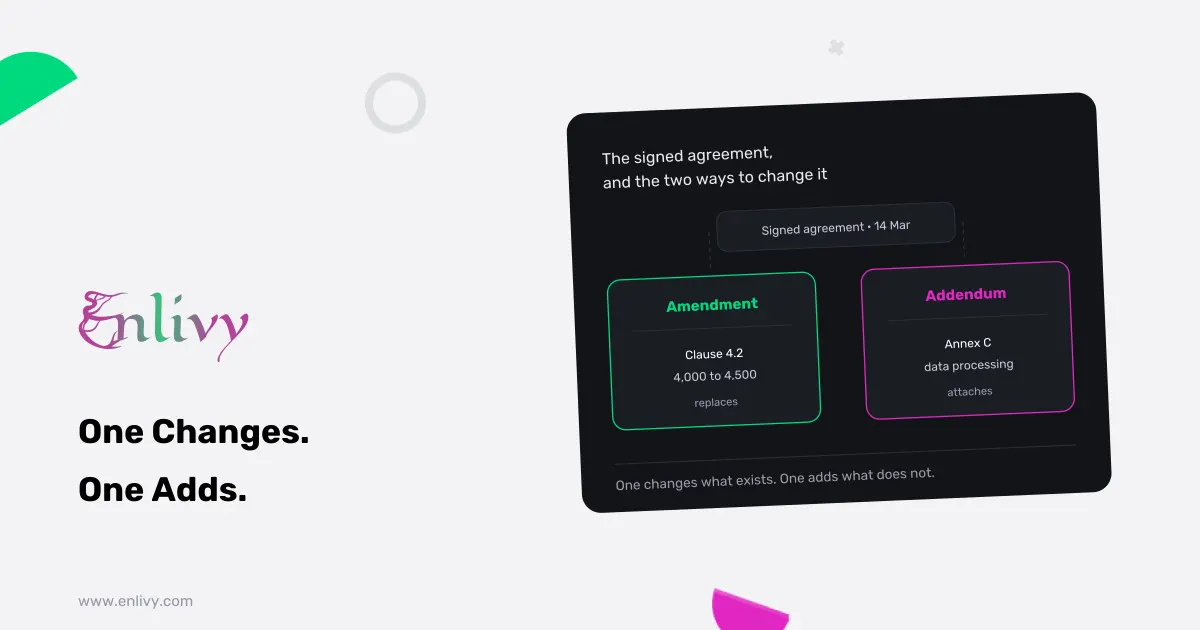
Amendment vs addendum: one changes existing terms, the other adds new ones. Which you need, how renewal clauses fit, and why version history matters more.
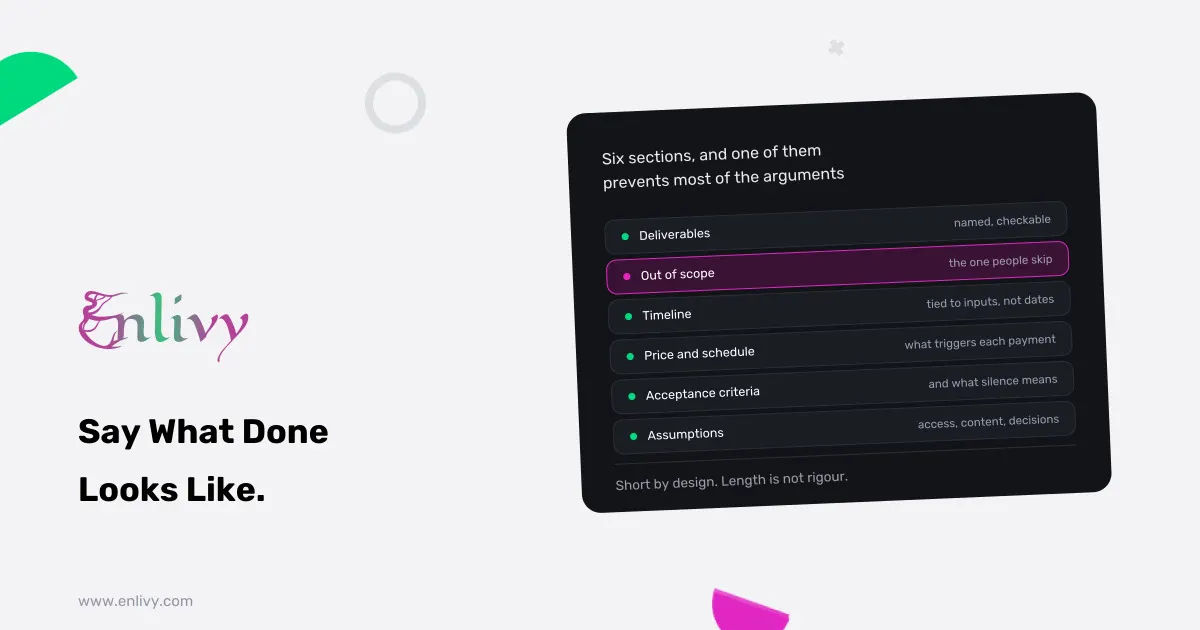
A statement of work fails two ways: too vague to enforce, or long enough to be a second contract. The six sections it needs, and what belongs in the MSA.
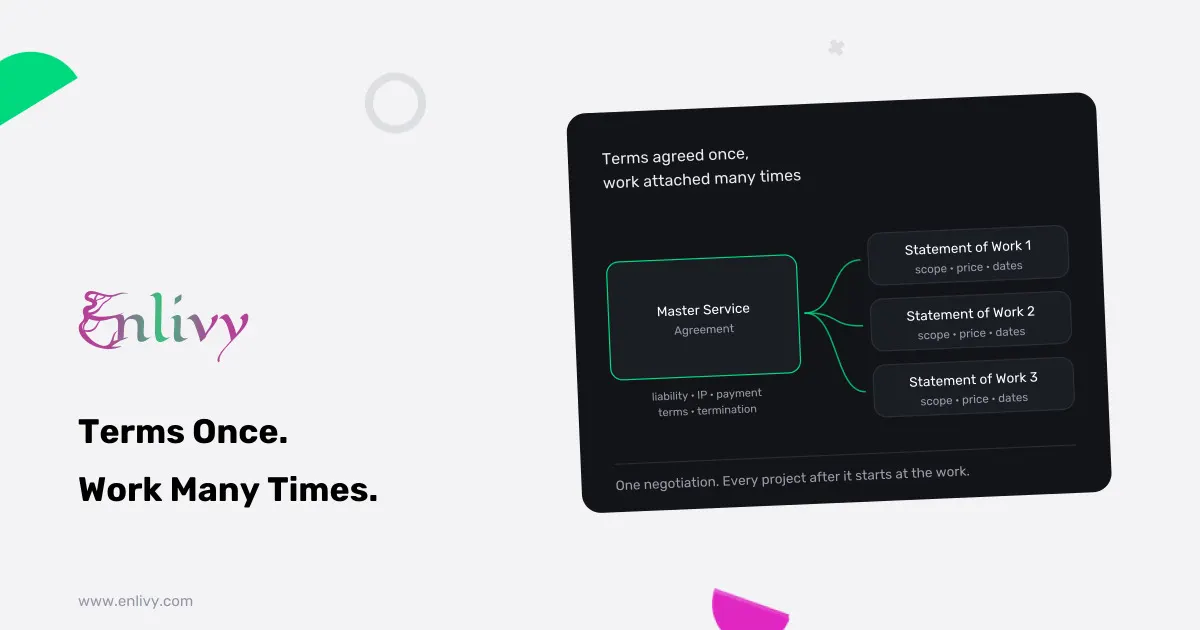
A master service agreement settles the terms once, so each new project starts at the work. What belongs in it, what belongs in the SOW, and when to skip it.
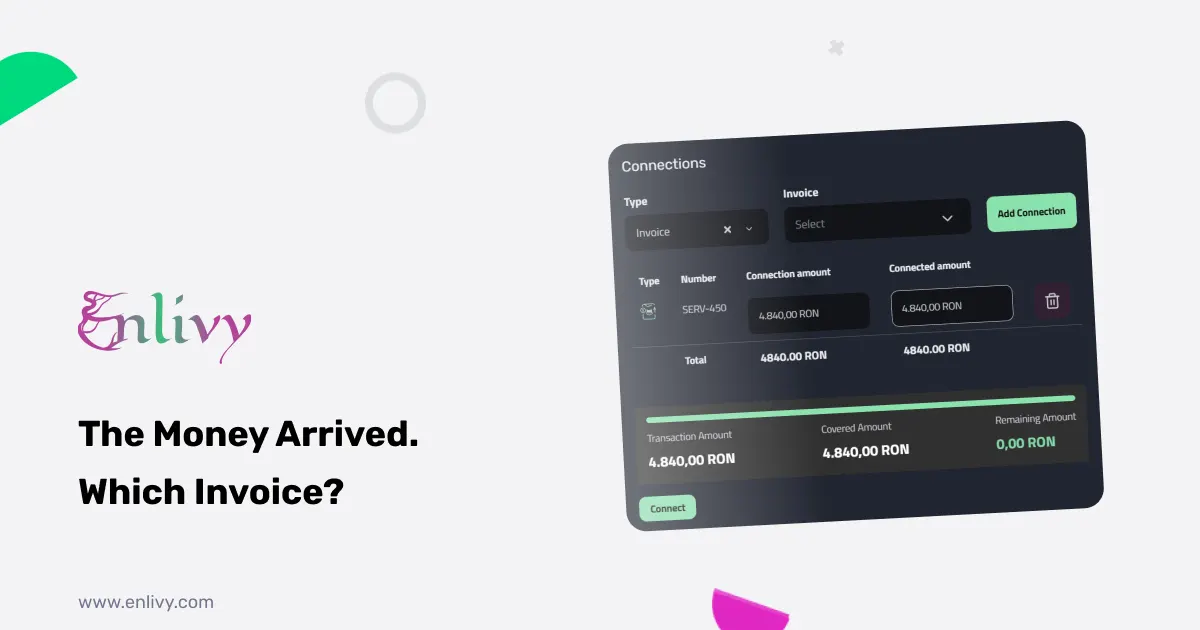
Partial payments, bundled transfers and FX turn reconciliation into detective work. Here is why matching breaks and what it takes to close the last handoff.
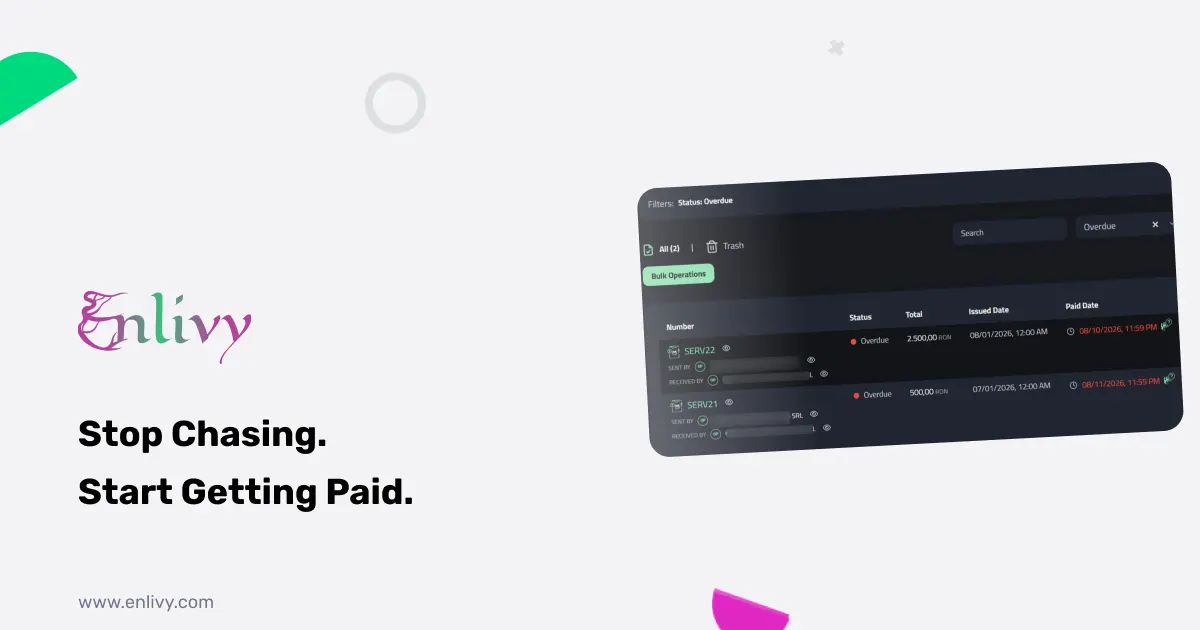
Most late payments are not refusals, they are process failures on the client side. Here is a sequence that gets you paid without spending the relationship.
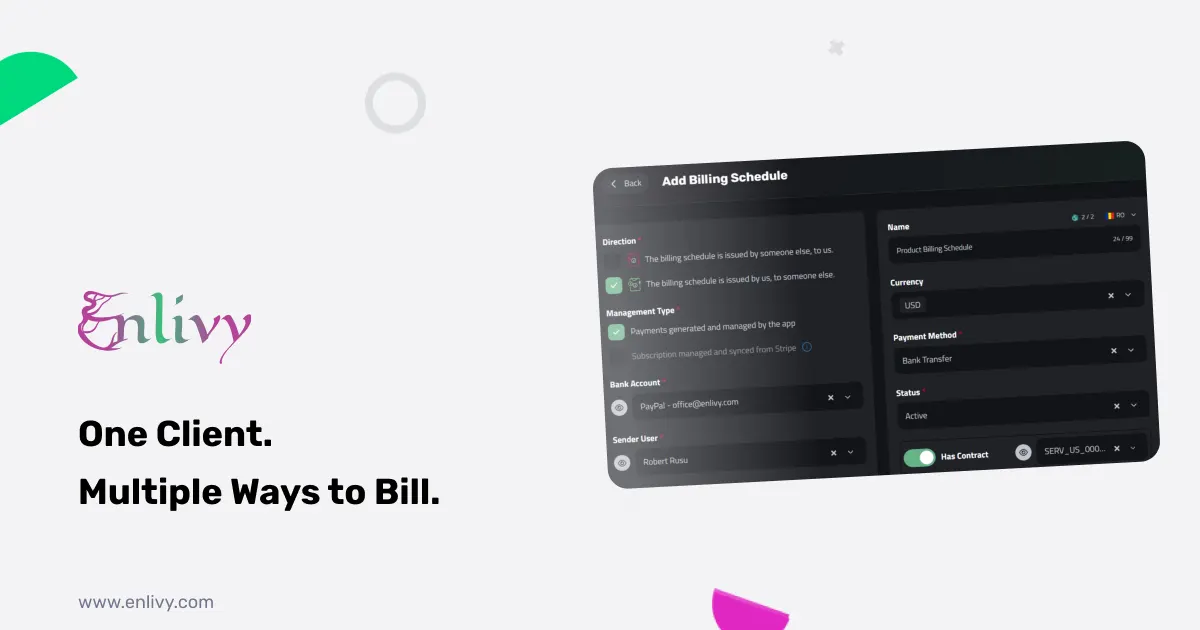
Agency billing breaks differently: mixed retainers and projects, pass-through costs, and scope captured too late. Here is how to bill without losing margin.
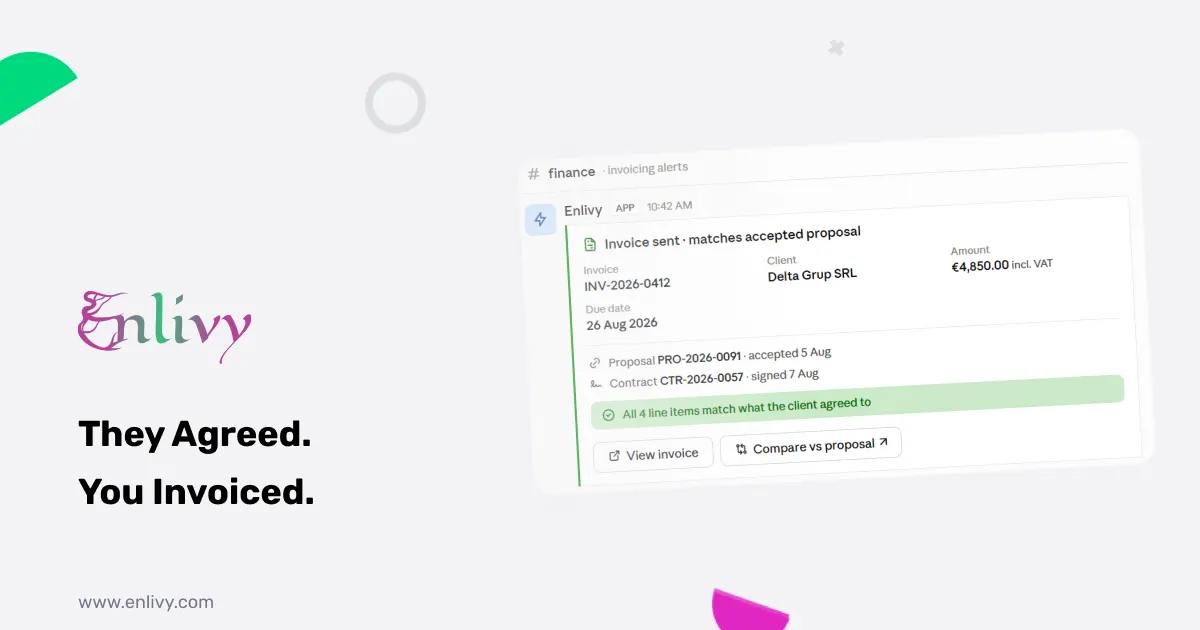
The handoff from an accepted proposal to an invoice is where scope quietly changes. Here is why it drifts, what it costs, and how to make the two agree.
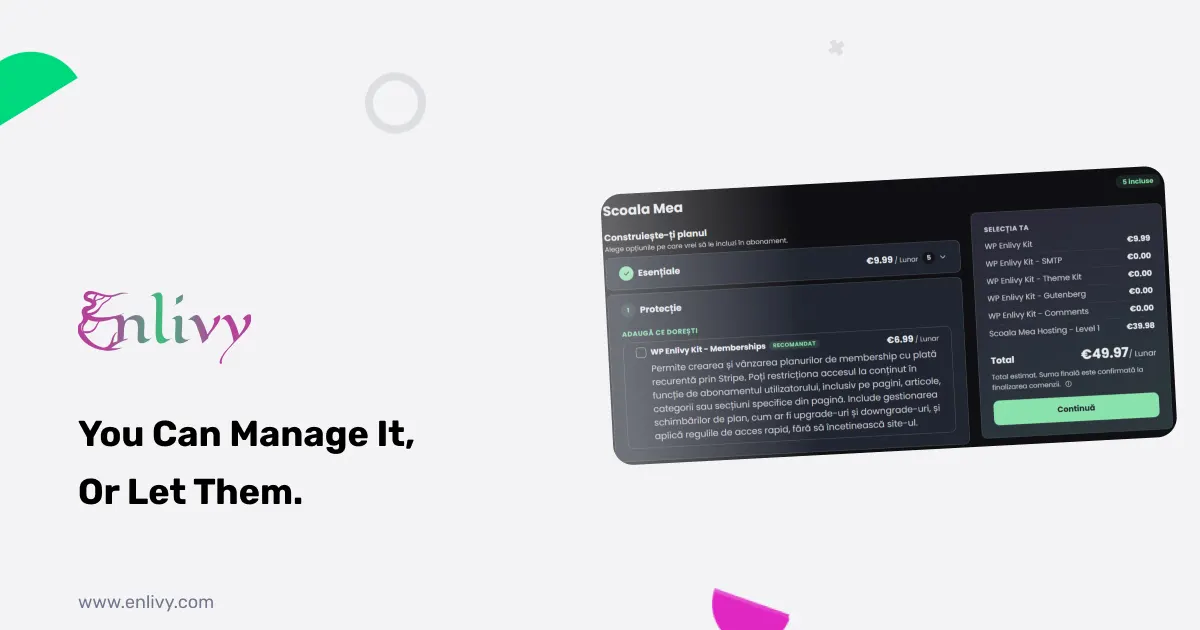
Managed billing schedules or self-serve subscriptions? The two models solve different problems, and picking the wrong one costs you either revenue or hours.
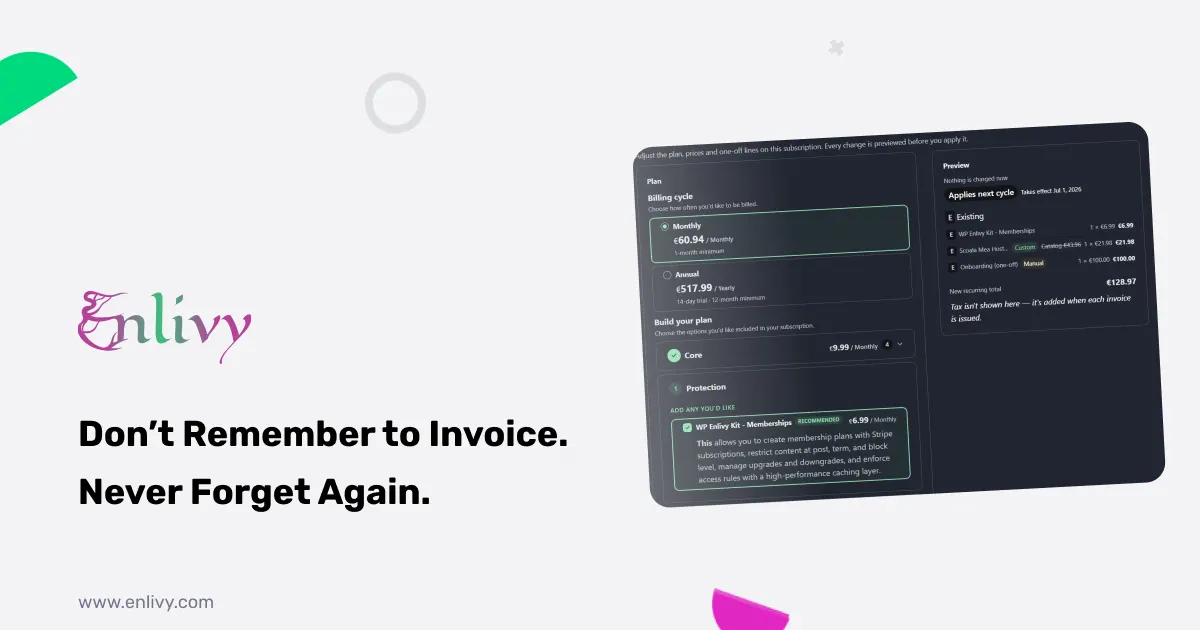
Retainers are the easiest revenue to lose track of. Here is how to set one up to bill on schedule, stay auditable, and survive the month you forget about it.
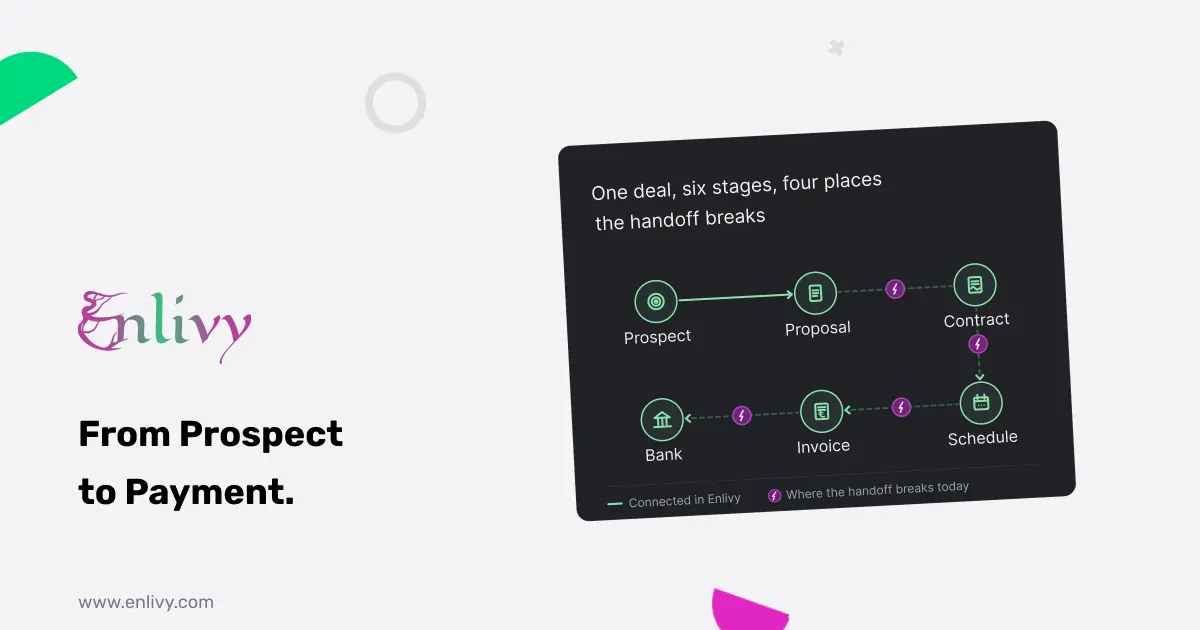
The contract-to-cash workflow is a chain of handoffs, and most service businesses lose money at four of them. Here is where it breaks and how to close each gap.

The Peter Principle explains why employees fail after promotion. Learn its impact, real-world examples, and how businesses can prevent workplace incompetence.

A business intelligence dashboard gives you a real-time snapshot of your key metrics, so you can make data-driven decisions instead of guessing.

Ignite your team's potential! Discover how to boost employee motivation, improve well-being, and fuel high-performing teams.

Remote teams feeling disconnected? Learn 5 strategies to boost inspiration & engagement & create a thriving remote work environment!

Explore key modern recruitment trends changing talent acquisition. AI, data-driven hiring, diversity, and remote practices lead the way.
Discover the Netflix Keeper Test: A distinctive approach to talent retention and team optimization, shaping a high-performance culture in the corporate world.

How important is a SDR? Sales development representatives are crucial in modern sales team and they can help your company's sales grow quickly.
Discover the vital impact of vacation days on employee satisfaction & company success. Unveil why they're crucial for organizational triumph.

Reduce recruitment costs with 7 practical tips: simplify hiring, attract the right talent, and use technology where it pays off.

Toxic employees can damage workplace morale and productivity. Learn to identify, address, and transform toxic behavior effectively.
Delivering Bad News to Employees: Learn effective communication strategies to navigate challenging conversations and maintain morale and loyalty.

C players can hinder a company's success, but with focused strategies, motivation, and support, they can become valuable contributors.

Are headhunter fees worth it? Learn about the typical headhunter fee, how to work with a headhunter, and factors to consider when hiring one for your company.
Reduce employee stress and improve workplace wellbeing with these top strategies for managing stress in the workplace. Boost productivity and loyalty.

Discover the pros and cons of signing bonuses, and learn how to offer them effectively to attract top talent to your organization.

How to build and sustain high performing teams for success. Learn the key elements, benefits, and examples in our latest article.

Workplace absenteeism is a widespread issue that harms productivity and profitability. Companies can reduce absenteeism by promoting work-life balance and..

Employee experience refers to an employee's complete contact with their employer. It consists of the workplace culture, surroundings, and benefits.

Quiet hiring has developed as a response to the problem of maintaining valuable skills and competencies in the face of a quiet quitting trend.

Gantt charts have proven to be a useful resource for project managers looking to properly organize and monitor their projects.

The Blue Ocean Strategy builds new markets to drive demand, render competitors obsolete, and give customers a distinct value proposition.

Psychologist Bryan Robinson's four types of workaholics, the signs of workaholism, and how employers can help workaholics keep a healthy work-life balance.

Knowledge is power. As a leader, understanding your team's personality traits in the workplace is essential to better managing them.
Successfully managing employee underperformance takes a lot of work and years of experience. This article will detail some tips for managers.

Why is employee retention important? Retaining top talent is crucial for an organization's success.
Implementing employee engagement strategies in businesses can improve staff satisfaction, performance, and productivity.
An employee mentorship program is an excellent way for your employees to gain new skills and create a deeper connection with your staff and company.
A flexible work schedule is a great way to increase employee satisfaction and autonomy. Flexible work programs can significantly benefit your business.

What employee collaboration is, its benefits and downsides, and practical ways to improve it, from clear expectations and open communication to shared goals.

Employee autonomy is essential because it enables employees to take ownership of their work which can lead to increased performance and..

Employee bonuses are a great way to motivate and reward staff, as well as to retain top personnel and boost business performance.

Retaining key employees is one of the most effective methods to keep your company flourishing. How to retain your best employees - isn't something exact, but..

Demotion is sometimes the alternative to firing an employee, but it can lower morale. When is demoting someone actually a good idea?

What is workplace conflict of interest? Here are some of the most common conflicts of interest that may occur in a company.

Employee motivation programs are a great way to show appreciation for your staff and keep them inspired and engaged. Here are some tips on..
Keeping your employees motivated is essential. Learn how to boost employee morale with these 7 tips.

Good connections are essential in the workplace. In this article we'll detail about how to organize a team building activity to achieve the best results.
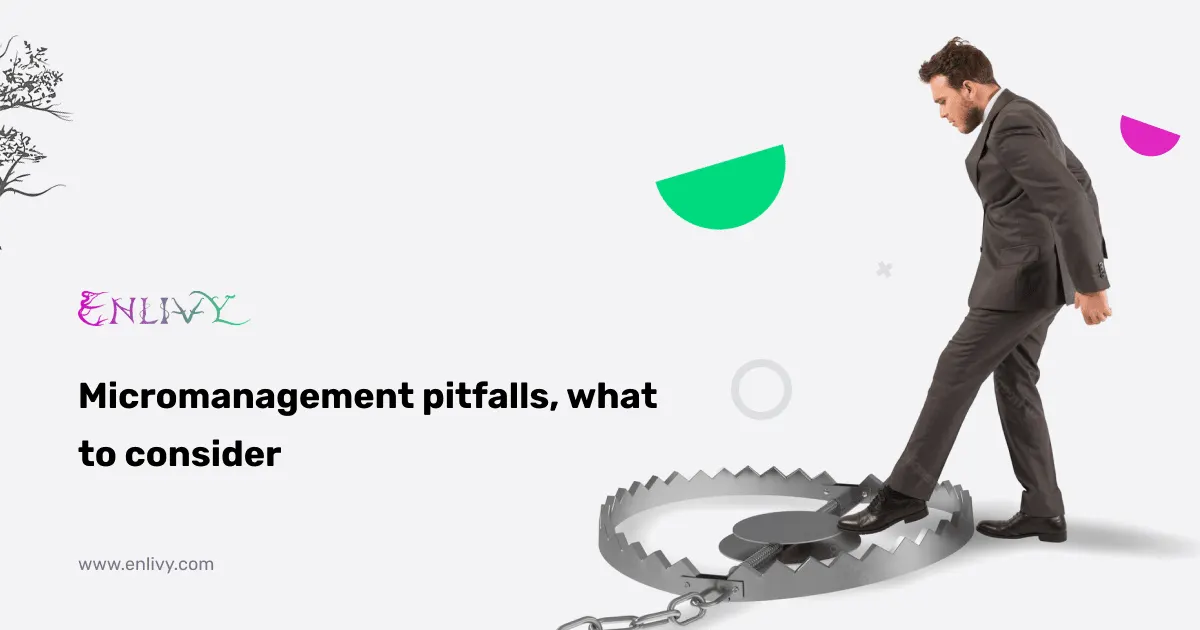
The pitfalls of micromanagement and why a lighter macromanagement approach lets your team make decisions, grow, and work more efficiently.

Having a probation period is something you should consider every time you hire a new employee. You should check these tips for an effective probation period.

Great managers use their soft skills to inspire and motivate. Here are 7 soft skills every manager needs to improve in order to build a strong team.

NDAs are an excellent tool for protecting your organization's information; Here are 4 NDA advantages for long-term stability.

Wage negotiations are tough. Here are 7 Salary Negotiation Tips for Employers that you should consider.

Practical tips to spot workplace underperformance early and deal with it the right way, so it never holds your business back from its full potential.

Exit interviews are a key part of offboarding. We explain what they are for and share five practical questions worth asking every departing employee.

Fidelity is a key factor in any business; here are 5 effective ways to improve employee loyalty in your company.
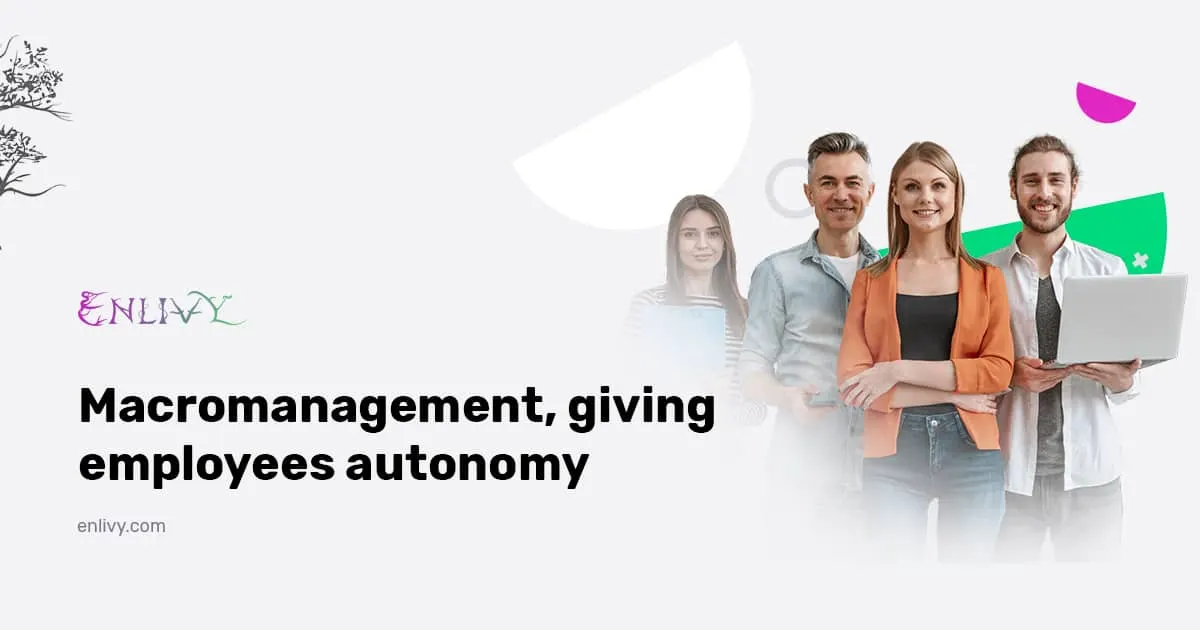
There are no managers with the same preferences, you'll find commonalities, but slight differences will always be there, this article is about macromanagement.
Proposals, contracts, invoices and payments
Connect proposals, contracts, invoices and payments around the clients they concern. Clients can accept proposals, sign, pay and download invoices in a branded portal. Romanian companies can use ANAF e-Factura for Romanian clients.
Free to start · No credit card required · ANAF e-Factura for Romanian companies invoicing Romanian clients